
We started this because we were tired of explaining
When friends visited from overseas, we'd spend days showing them around. Not the official attractions, though we'd hit those too. Mainly the places we actually go. The conversations we'd have weren't performances; they were genuine exchanges about how cities work, why neighborhoods develop the way they do, what makes certain streets feel alive.
After the fifth or sixth time someone said "you should do this professionally," we realized they might be right.
What qualifies someone to guide strangers around a city
We don't believe in certification for curiosity. Our guides come from different backgrounds: a former architect who reads buildings like texts, a chef who knows which markets open earliest, a historian who spent years researching labor movements in Australian ports, a photographer who's documented street art since the early 2000s.
What they share is genuine affection for these places and an inability to walk past something interesting without wanting to understand it better.
Before anyone leads a tour with us, they walk with us. Multiple times. We need to see how they handle questions they don't know the answer to, whether they can read when a group wants to linger versus when they're ready to move on, if they treat people like an audience or like companions.
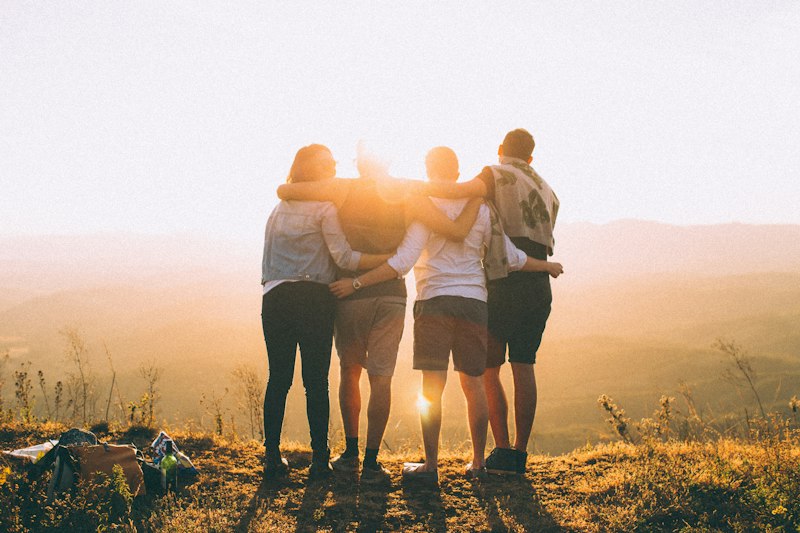
Conversations, not lectures
How we think about showing people around
Tourism has a way of flattening cities into highlight reels. See this landmark, take that photo, hear this fun fact, move to the next stop. Efficient, maybe. But it misses the texture of actually being somewhere.
We prefer slower pacing. Fewer locations, more depth. If something sparks genuine interest, we follow that thread instead of sticking rigidly to a planned route. Sometimes the best part of a tour is an unplanned twenty-minute conversation with a shop owner who's been watching the neighborhood change for decades.
This approach doesn't work for everyone. If you want to see fifteen things in three hours, we're probably not the right fit. But if you'd rather understand three things deeply, we can do that.
What we care about beyond the obvious
Small groups matter. Not just because it's easier to manage, but because conversation changes when there are thirty people versus six. Questions get asked that wouldn't come up in a crowd. Detours become possible. People actually talk to each other, not just to the guide.
We pay attention to who's not being heard in standard tourism narratives. Whose version of history gets told, whose neighborhoods get "discovered," which communities shaped these cities but rarely see credit for it. These aren't sidebar topics; they're central to understanding any place honestly.
We also believe tips shouldn't be expected. Our prices include fair compensation. If someone wants to tip because they had an exceptional experience, that's generous but never assumed.
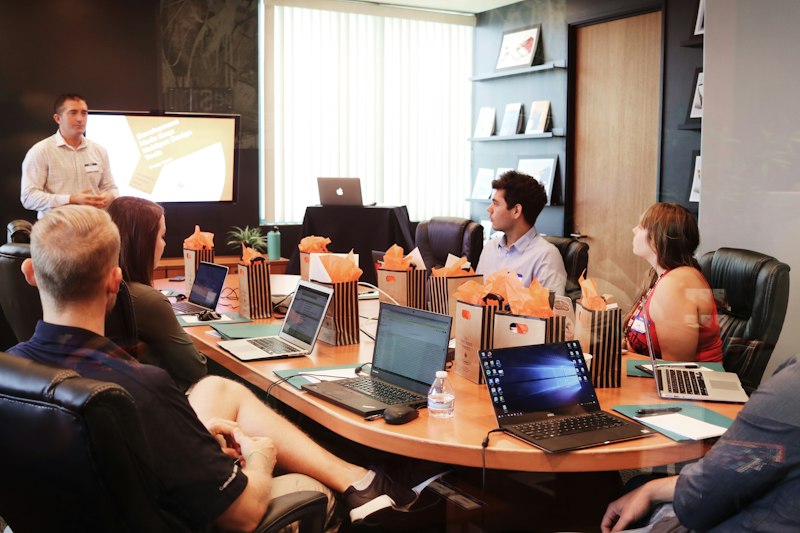
Planning routes that evolve with the city
The practical side nobody mentions
Running tours means dealing with weather that doesn't cooperate, participants who show up hungover, sudden road closures that force route changes, and the occasional person who booked the wrong kind of experience and realizes it fifteen minutes in.
We've learned to read groups quickly. Some want comprehensive historical context. Others just want to wander and absorb atmosphere. Most fall somewhere in between. Adapting to that in real time is the actual skill being exercised here.
We also maintain relationships with dozens of local businesses, not as sponsorship arrangements but as genuine connections. The coffee roaster who lets us bring groups through during off-hours. The gallery owner who'll explain her curation process if she's not too busy. The bookseller who recommends Australian authors visitors wouldn't encounter otherwise.
These relationships take years to build and constant care to maintain. They're what distinguish our tours from routes anyone could map out using online research.
Where this is heading
We're intentionally not scaling rapidly. Adding guides takes time because we're particular about who represents this approach. Training someone to memorize facts is straightforward; helping them develop genuine conversational rapport with strangers is slower work.
We're also expanding our range of specialized walks. Architecture-focused routes for design professionals. Food system tours that visit not just restaurants but distribution centers and urban farms. Literary walks that trace where certain writers lived and worked.
The goal isn't to become the biggest tour operation in Australia. It's to maintain quality while serving more of the people who value this style of exploration.